Planning meals from pantry staples is a smart way to simplify your cooking routine while making the most of what you already have. Whether you’re working with a well-stocked pantry or just a few basics, you can whip up satisfying and nutritious meals without last-minute grocery runs. This guide will walk you through effective steps to plan meals using pantry staples, helping you save time, reduce waste, and enjoy home-cooked food every day.
Why Plan Meals Around Pantry Staples?
Pantry staples are non-perishable or long-lasting ingredients that form the foundation of many dishes. Common examples include canned beans, rice, pasta, canned tomatoes, dried herbs, and spices. Planning meals around these items offers several benefits:
– Convenience: You can prepare meals quickly since staples are always on hand.
– Cost Savings: Using what you already have reduces the need for extra grocery shopping.
– Reduced Food Waste: Planning helps use ingredients before they expire.
– Variety: Staples can be combined in many ways for diverse meals.
Step 1: Take Inventory of Your Pantry
Start by knowing exactly what you have. Here is how to do it:
– Empty your pantry shelves: Pull everything out so you can see your ingredients clearly.
– Group similar items: Organize cans, dry goods, spices, and baking essentials together.
– Check expiration dates: Discard anything that’s expired or no longer good.
– Make a list: Write down all items including quantities.
Having a clear inventory helps you know what you can realistically base your meals on.
Step 2: Identify Versatile Staples
Certain staples can be used in multiple dishes. Examples include:
– Rice and pasta
– Canned beans and lentils
– Canned tomatoes and tomato sauce
– Olive oil and vinegar
– Garlic and onions (can be fresh or dried)
– Broth or bouillon cubes
– Flour and baking powder
These ingredients form the base of soups, stews, salads, casseroles, and more.
Step 3: Plan Balanced Meals
Even with pantry staples, it’s important to create balanced meals that include protein, carbohydrates, and vegetables. Here are ways to do that when shopping is limited:
– Protein: Use canned beans, lentils, canned fish (like tuna or salmon), or eggs if available.
– Carbohydrates: Rice, pasta, quinoa, or potatoes.
– Vegetables: Incorporate canned vegetables, frozen veggies (if available), or fresh produce when possible.
– Flavor Enhancers: Use herbs, spices, garlic, onions, and condiments to add depth.
Step 4: Use Meal Planning Templates
Organize your week with simple meal plan templates to mix and match pantry staples:
Example Weekly Plan:
– Monday: Lentil and vegetable soup with rice
– Tuesday: Pasta with canned tomato sauce and sautéed canned mushrooms
– Wednesday: Tuna salad with beans and canned corn
– Thursday: Rice and beans with spices and hot sauce
– Friday: Casserole using canned vegetables and broth
– Saturday: Stir-fry with canned vegetables and noodles
– Sunday: Baked potatoes topped with beans and cheese (if available)
Having a plan reduces the stress of deciding what to cook each day.
Step 5: Get Creative with Recipes
Pantry staples are very adaptable. Here are some easy recipe ideas:
One-Pot Pasta
– Combine pasta, canned tomatoes, garlic, olive oil, and herbs in a pot.
– Add water or broth and cook until pasta is tender and sauce forms.
– Stir in canned beans or tuna for protein.
Bean Chili
– Sauté onions and garlic.
– Add canned beans, canned tomatoes, chili powder, and cumin.
– Simmer and serve with rice or bread.
Rice Bowls
– Cook rice and top with a mix of canned vegetables, beans, and a dressing or sauce made from pantry ingredients like soy sauce or vinegar.
Quick Soup
– Use broth or bouillon cubes, add canned vegetables, canned lentils or beans, and season with herbs.
– Simmer until flavors meld together.
Step 6: Keep Your Pantry Organized
An organized pantry makes meal planning and cooking more efficient:
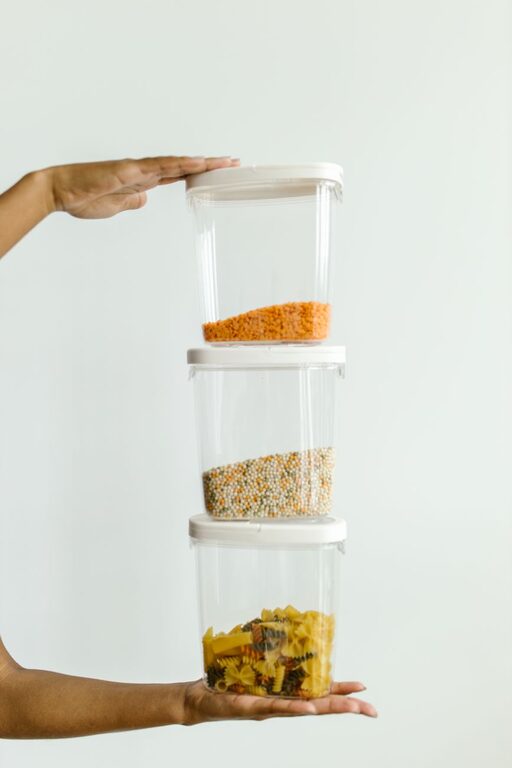
– Use clear containers to store dry goods.
– Label items with names and expiration dates.
– Group items by category or meal type.
– Regularly rotate older items to the front.
This organization prevents forgetting what you have and helps to use ingredients before they expire.
Bonus Tips for Successful Pantry Meal Planning
– Stock up on basics when you go shopping so you always have essentials.
– Combine fresh and pantry ingredients when possible for added nutrition and flavor.
– Experiment with new spices or condiments to keep meals exciting.
– Prepare larger batches and save leftovers for quick meals.
– Use online resources or apps that help suggest recipes based on pantry items.
Final Thoughts
Meal planning from pantry staples is a practical and rewarding approach to home cooking. It encourages creativity, saves money, and makes everyday meals less stressful. With a well-organized pantry and a little planning, you can enjoy delicious, wholesome meals any day of the week without needing a last-minute grocery trip. Start by taking inventory today and discover the many possibilities your pantry holds!